// How Often Should You Top Up a Ceramic Coating? Caring for Coated, Wrapped and PPF Cars
A ceramic coating is one of the best things you can do for a car you care about. It gives paint, vinyl wrap or paint protection film a slick, glassy layer that sheds water, resists grime and makes washing far easier. But one question comes up again and again at our Knaresborough studio: once it’s on, how often does it need looking after?
The honest answer is that it depends on how you use the car, where you keep it and how you wash it. This guide explains what affects a coating and how to keep yours performing.
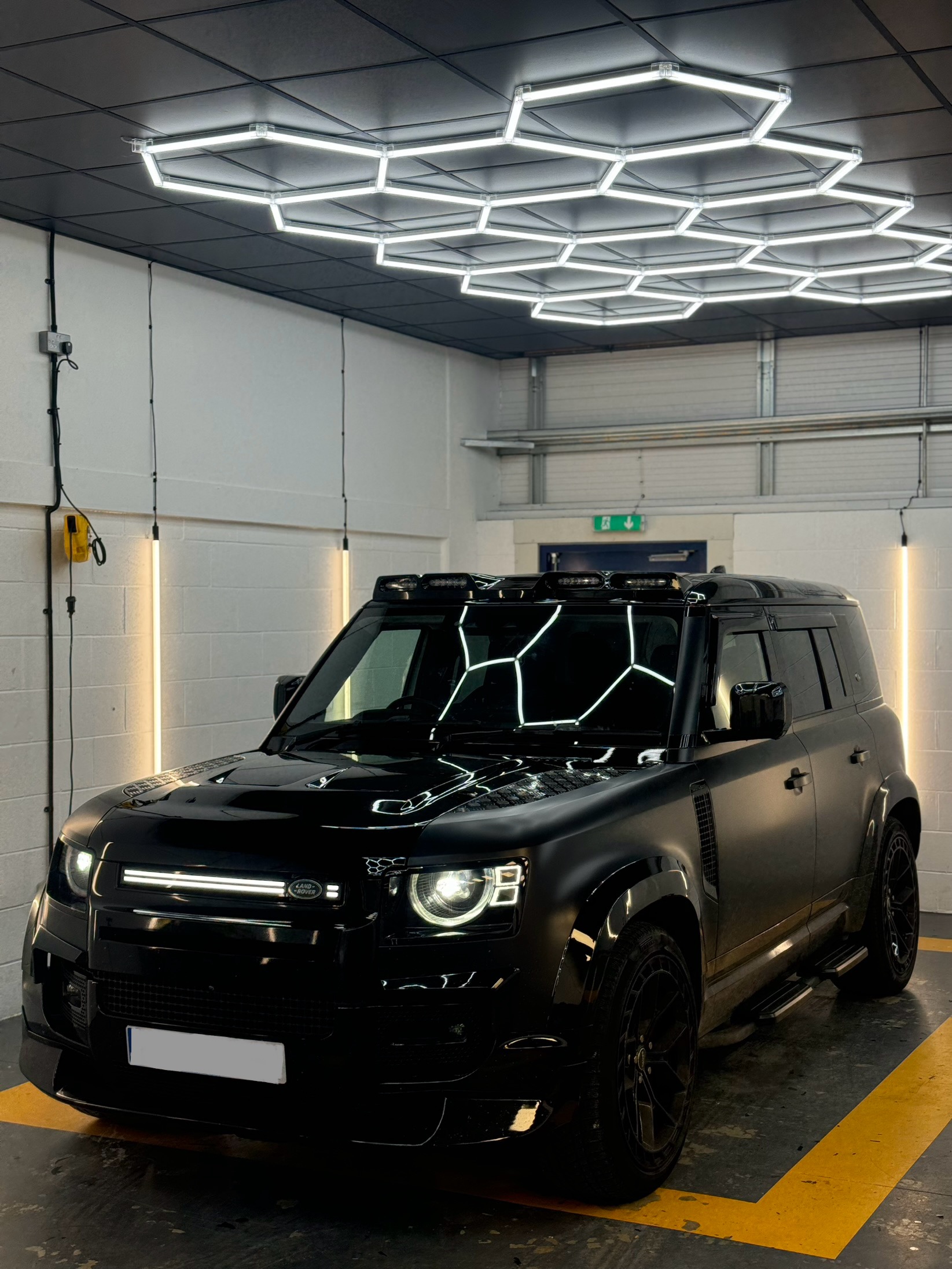
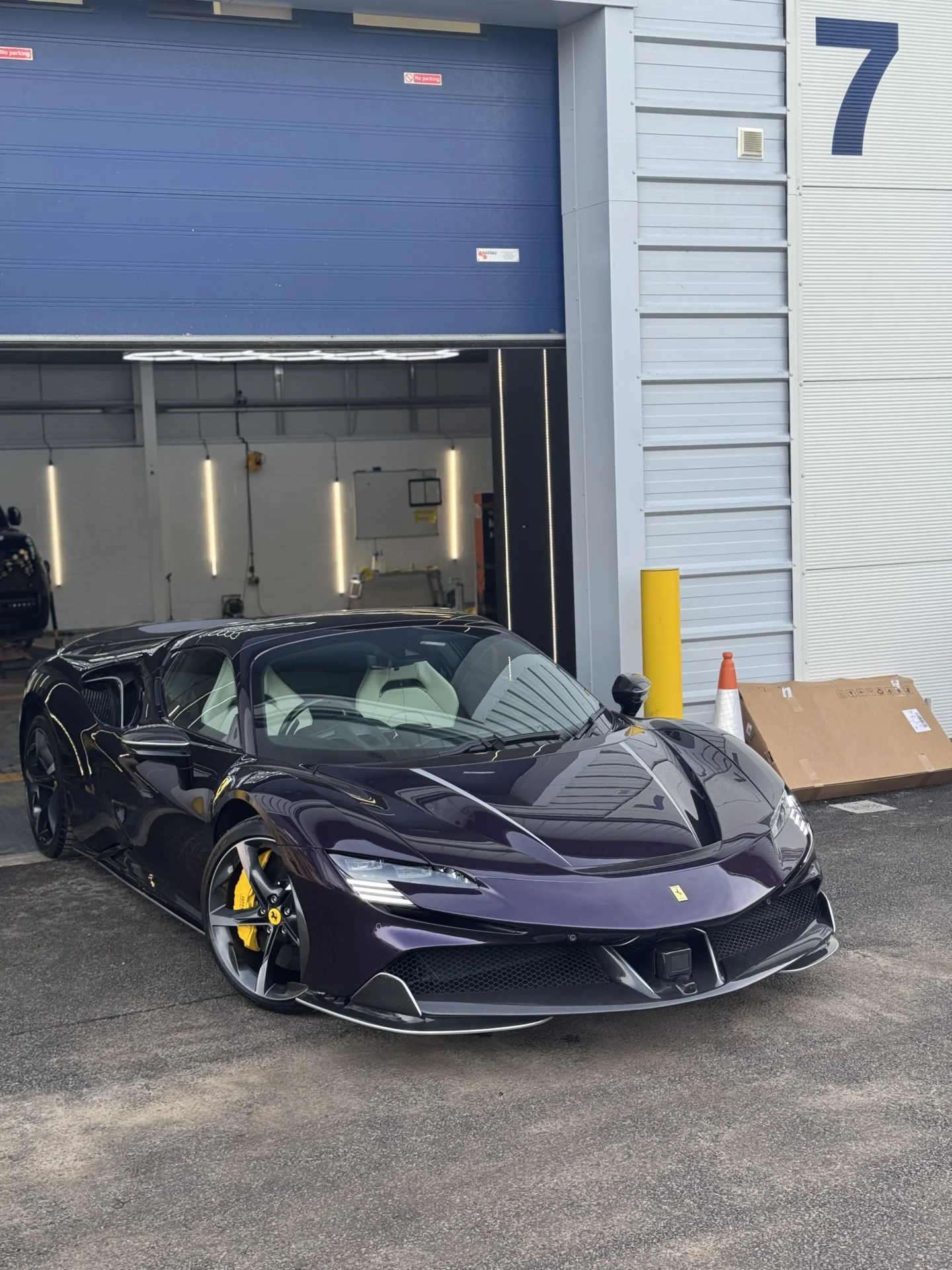
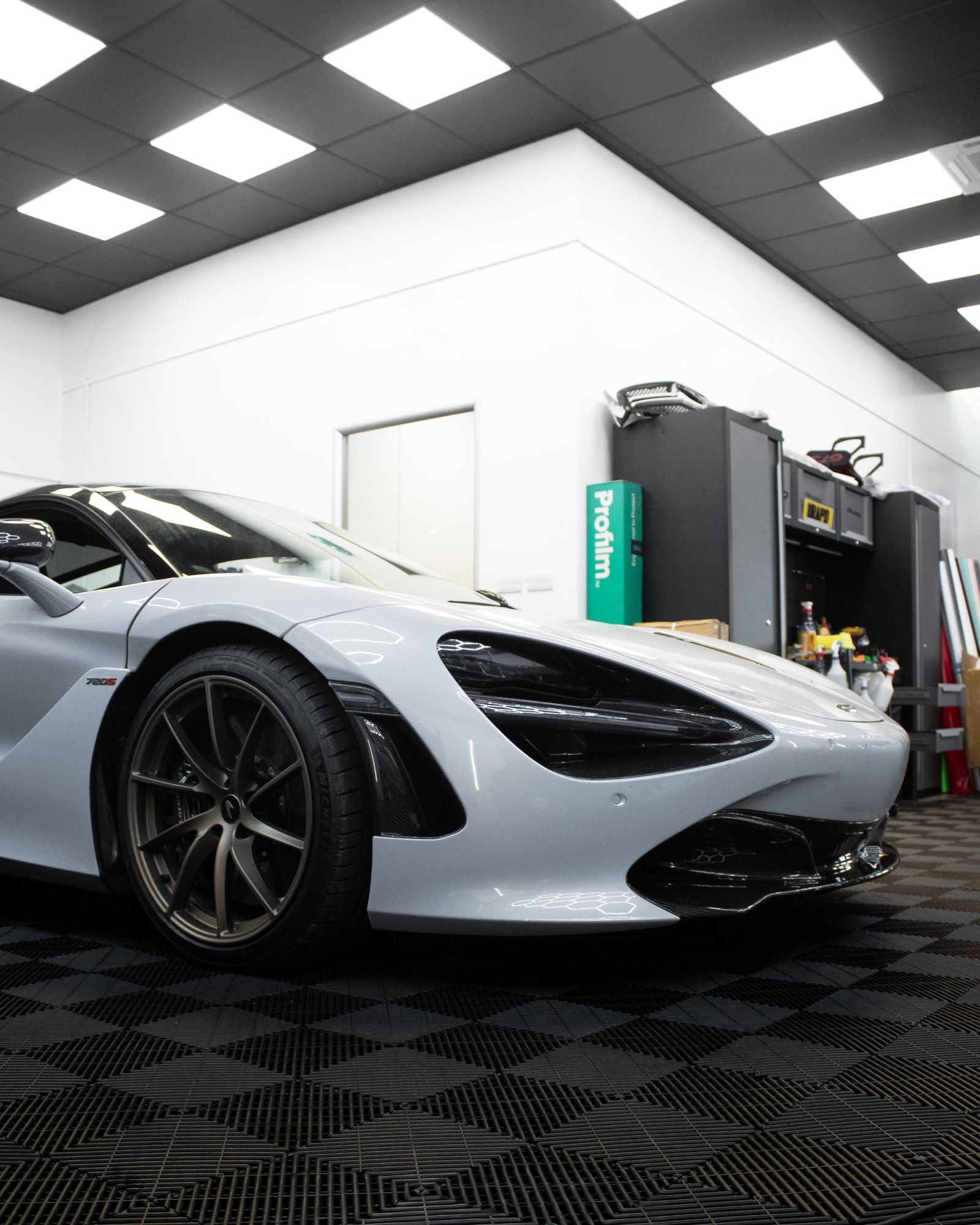
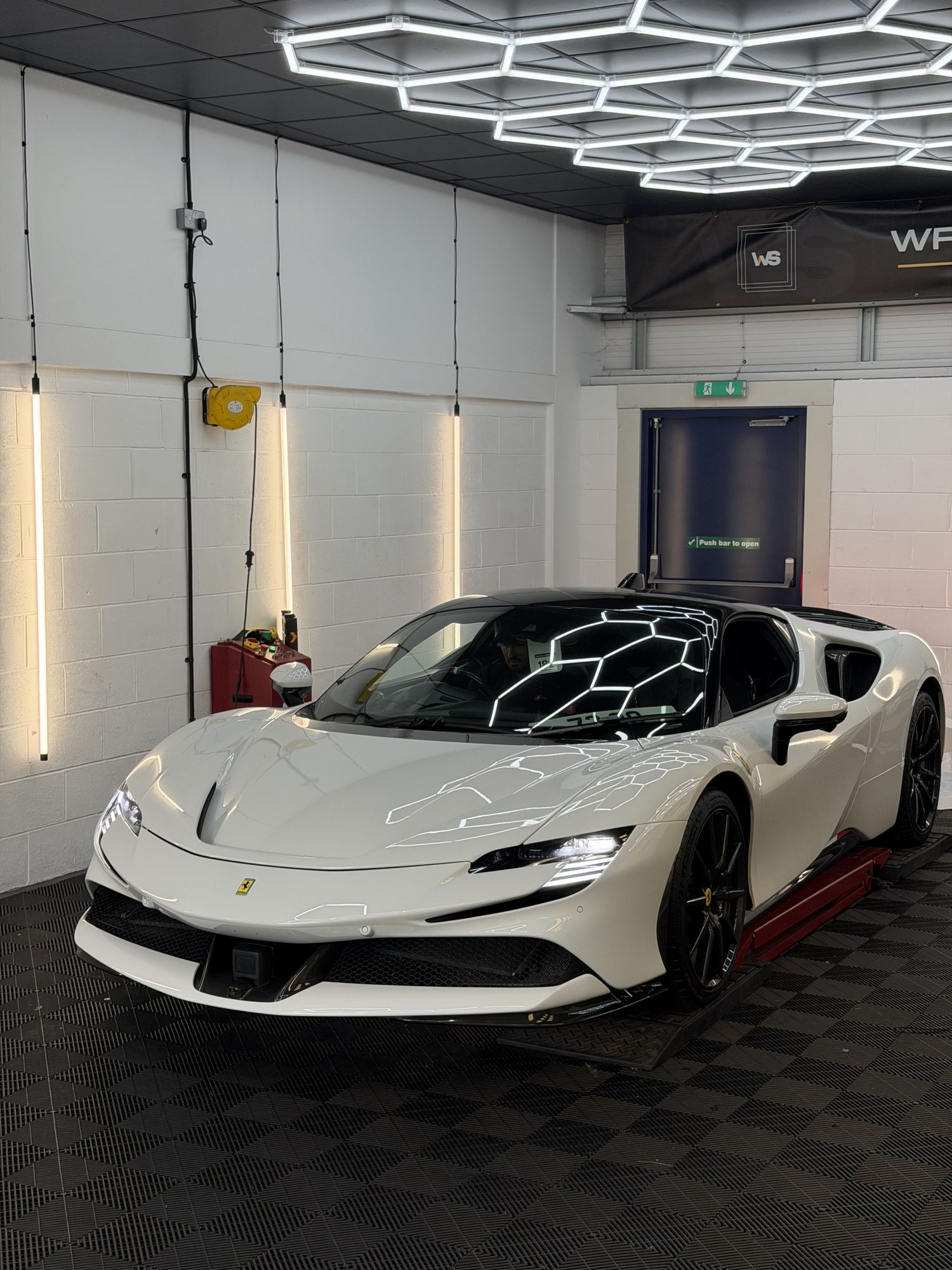
What a Ceramic Coating Actually Does
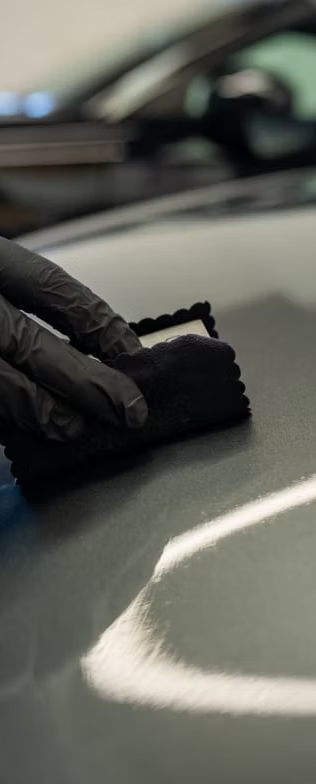
A ceramic coating is a liquid protection that bonds to the surface and cures into a hard, clear layer. We work with trusted coating systems from Gyeon, CarPro and Gtechniq, applied in a controlled studio environment.
Once cured, a coating:
- makes the surface strongly water-repellent (hydrophobic), so rain beads and rolls off
- helps stop road film, bird droppings and tree sap from bonding as quickly
- adds depth and gloss to paint, or keeps the right sheen on satin and matte finishes
- makes routine washing quicker and safer, because dirt releases more easily
What a coating doesn’t do is stop stone chips or deep scratches. That’s the job of paint protection film. That’s why many of our customers combine the two.
Coating Over PPF and Wraps
You can coat over paint protection film and vinyl wraps as well as bare paint. A coating on top of PPF keeps the film cleaner and easier to wash. On a wrap, especially satin or matte, it helps stop marks and staining without adding unwanted gloss when you use the right product.
Ceramic coating over PPF or a wrap starts from £200+VAT. On bare paint, our packages start from £400 +VAT (Bronze, 1 day, 2-year coating), £600 +VAT (Silver, 2 days, 2, 3 or 5-year) and £800 +VAT (Gold, 3 days, 2, 3, 5 or 9-year). The price depends on the size of the vehicle and how much of it is covered.
How Often Should a Coating Be Maintained?
Rather than a fixed timetable, think of a coating as something you maintain regularly and assess periodically.
Every wash: gentle, correct technique
Most of the life of a coating is decided at the wash bucket. Use a pH-neutral shampoo, the two-bucket method and a soft wash mitt, and dry with a clean microfibre towel. Avoid harsh brushes and strong degreasers, which can dull a coating over time.
Every few months: a topper
A quick spray sealant or “topper” from the same coating system (Gyeon, CarPro and Gtechniq all make them) helps restore that just-coated slickness. If you notice water starting to sheet rather than bead, it’s a good sign the surface would benefit from one.
Once a year: a proper inspection
We recommend having a coated car looked at about once a year. We’ll check how the coating is behaving across the panels, decontaminate the surface if needed, and advise whether a top-up layer is worthwhile.
What Wears a Coating Down Faster
Some things put more strain on a coating than others:
- Winter road salt and grit: Yorkshire winters are hard on every surface. Rinse the car regularly in the colder months, especially the lower panels.
- Automatic brush washes: these can be abrasive. Hand washing is kinder.
- Leaving contamination to sit: bird droppings and sap are best removed promptly, even on a coated car.
- Outdoor parking under trees: sap and droppings build up faster.
- High mileage: more miles means more road film and more washing.
A car kept in a garage, washed carefully and driven moderately will need less attention than a daily motorway commuter parked on the street.
Signs Your Coating Needs Attention
Look out for:
- water sheeting instead of beading
- dirt sticking more stubbornly than it used to
- the surface feeling less slick to the touch after washing
- uneven behaviour between panels, often on the bonnet, roof and lower doors
None of these mean the coating has failed. Often a decontamination wash and a topper bring it straight back. If they don’t, a fresh layer may be the answer.
Coating, PPF or Both?
If you’re deciding where to start, here’s a simple way to think about it:
- Ceramic coating keeps paint, film or wrap glossy, easy to clean and protected from everyday contamination.
- Paint protection film guards against stone chips, light scratches and scuffs. Our PPF packages start from £1,200+VAT for a Full Front End, £1,500+VAT for Track and £3,500+VAT for Full Coverage.
- Both together give you physical protection and easy care: film where the impacts happen, coating on top.
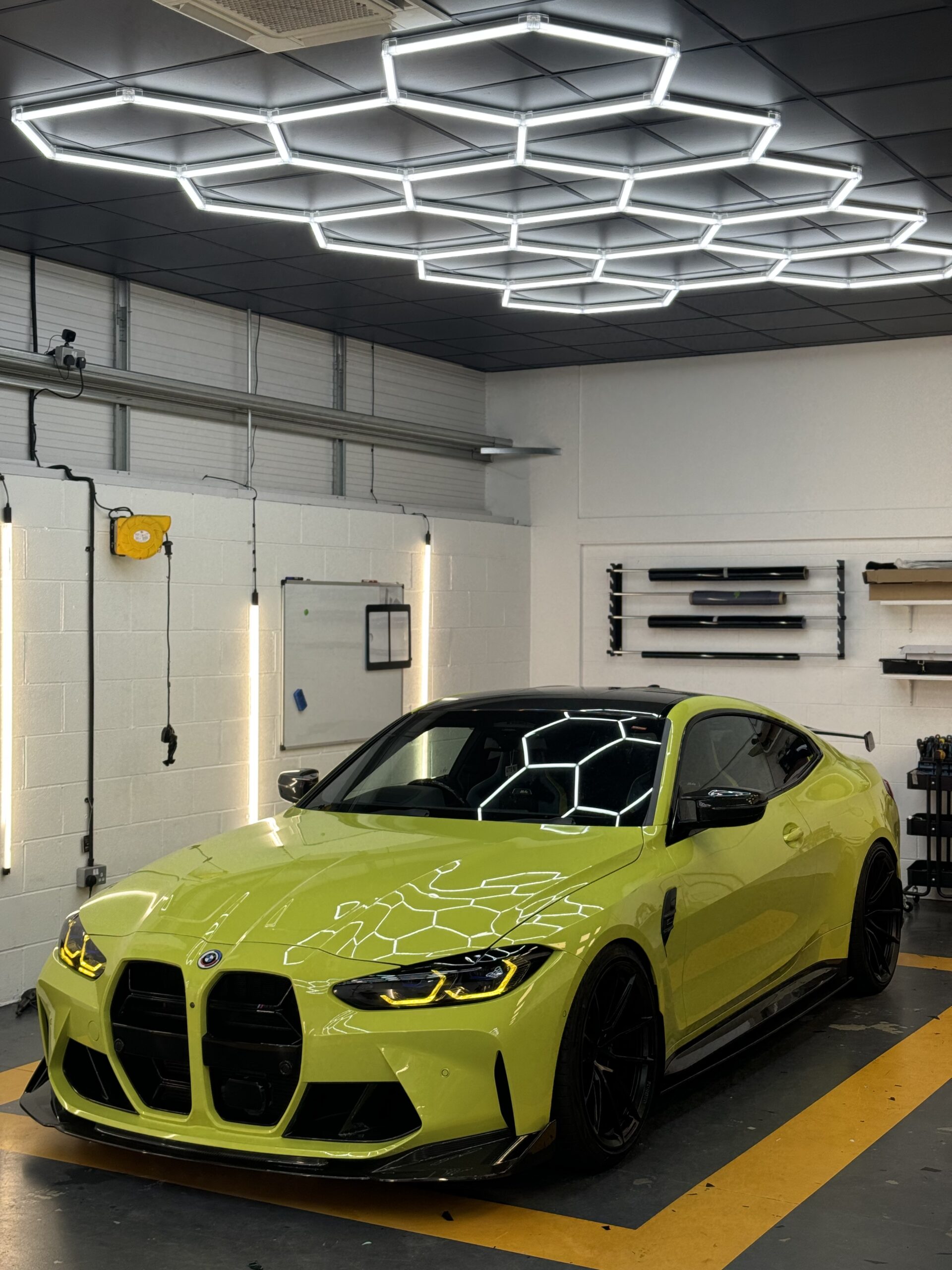
For prestige and performance cars that get driven properly on Yorkshire roads, PPF with a ceramic layer on top is a popular choice.
Book a Coating Health Check
Whether you’ve had a coating for a while or you’re thinking about protecting a new car, our team can look at it, explain the options in plain English and recommend what makes sense for how you drive.
We’re based in Knaresborough and work with owners across Harrogate, Leeds, York and the wider Yorkshire area. Find out more about our ceramic coating and protection services, or get in touch for a no-pressure chat.
Looking for the top Vehicle Wrapping and Modification specialists in Yorkshire?
Get in touch with us today to see how we can help.
More Posts
// Fleet and Van Branding: A Practical Guide for Yorkshire Businesses
View Project
// What Different Car Customisation Services Are There?
View Project